


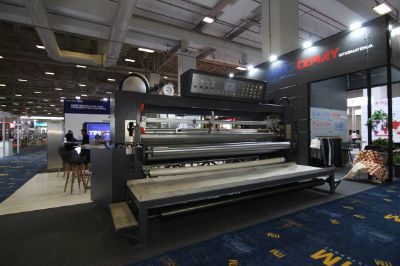

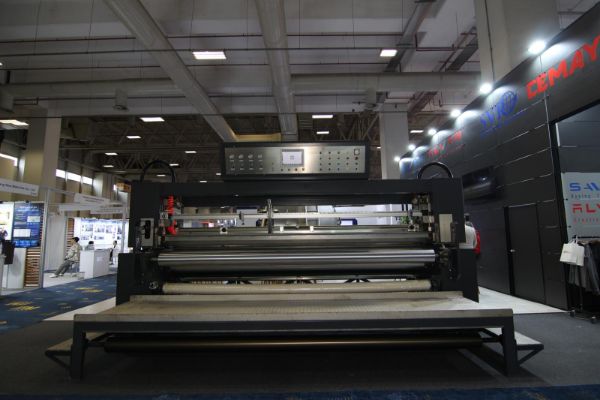
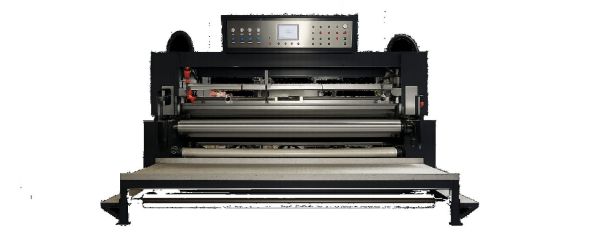

Textile coating and lamination processes play a critical role in preventing occupational accidents and work-related illnesses. What makes a garment protective is often not the fabric itself but the coating applied to it. This note was compiled from the graphic we published for International Workers' Day on 1 May.
Which protective properties does coating add to a fabric?
- Thermal and fire resistance — coated aramid (Nomex / Kevlar) fabrics provide protection against high temperatures, flames and heat.
- Chemical and liquid resistance — protects against acids, alkalis and hazardous chemicals by forming a barrier against external substances.
- Breathable and waterproof — allows sweat vapour to escape while preventing water penetration, so protection and comfort come together.
How can a fabric be breathable and waterproof at once?
The coating is designed to stop a water droplet while letting sweat vapour through. That distinction is the technical reason protective clothing stays wearable across a long shift: it lets the worker's sweat out and keeps body temperature in balance.
Which sectors use it?
- High-risk industrial apparel — filters, fuel tank covers and protective clothing in sectors such as chemical and heavy industry, providing surface protection against flammable liquids and vapours.
- Medical and hygiene protection — antimicrobial coatings on fabrics minimise the risk of infection for healthcare professionals.
- Safety and visibility equipment — increases the durability and tear resistance of life vests, protective gear, helmets and vests against external impacts.
Which property answers which hazard?
| Coating property | What it protects against |
|---|---|
| Flame retardancy / thermal insulation | High temperature and flame exposure |
| Chemical and liquid resistance | Acids, alkalis and hazardous chemicals |
| Breathable waterproofing | Water ingress plus heat stress |
| Antimicrobial coating | Risk of infection |
| Tear / impact resistance | Mechanical external impacts |
| Chemical abrasion resistance | Flammable liquids and vapours |
The fundamentals and the coat weights involved are in what is textile coating. If you would like to work through a line configuration for protective fabric production, our quote request form is open.
Frequently Asked Questions
What is aramid coating?
Coated aramid (Nomex / Kevlar) fabrics are flame-resistant constructions that provide protection against high temperatures, flames and heat, and offer thermal insulation as well.
Where are antimicrobial coatings used?
In medical and hygiene protection. Antimicrobial coatings on fabrics minimise the risk of infection for healthcare professionals.
How is a chemically resistant fabric produced?
A coating is applied that forms a barrier against acids, alkalis and hazardous chemicals, keeping external substances off the skin. It is used in chemical and heavy industry on filters, fuel tank covers and protective clothing.